

Some of us have brains and bodies that crave information, challenge, and stimulation. It may even seem like we don’t seem to have “down” times for our thoughts and questions, and this may be a sign that we need the right activities to feed our brains when we’re bored, tired, or too wired!
Some of the hobbies listed below have not only been found to boost intelligence, but if you already practice some of them, you may have higher-than-average IQ. Which of the following are you already doing?
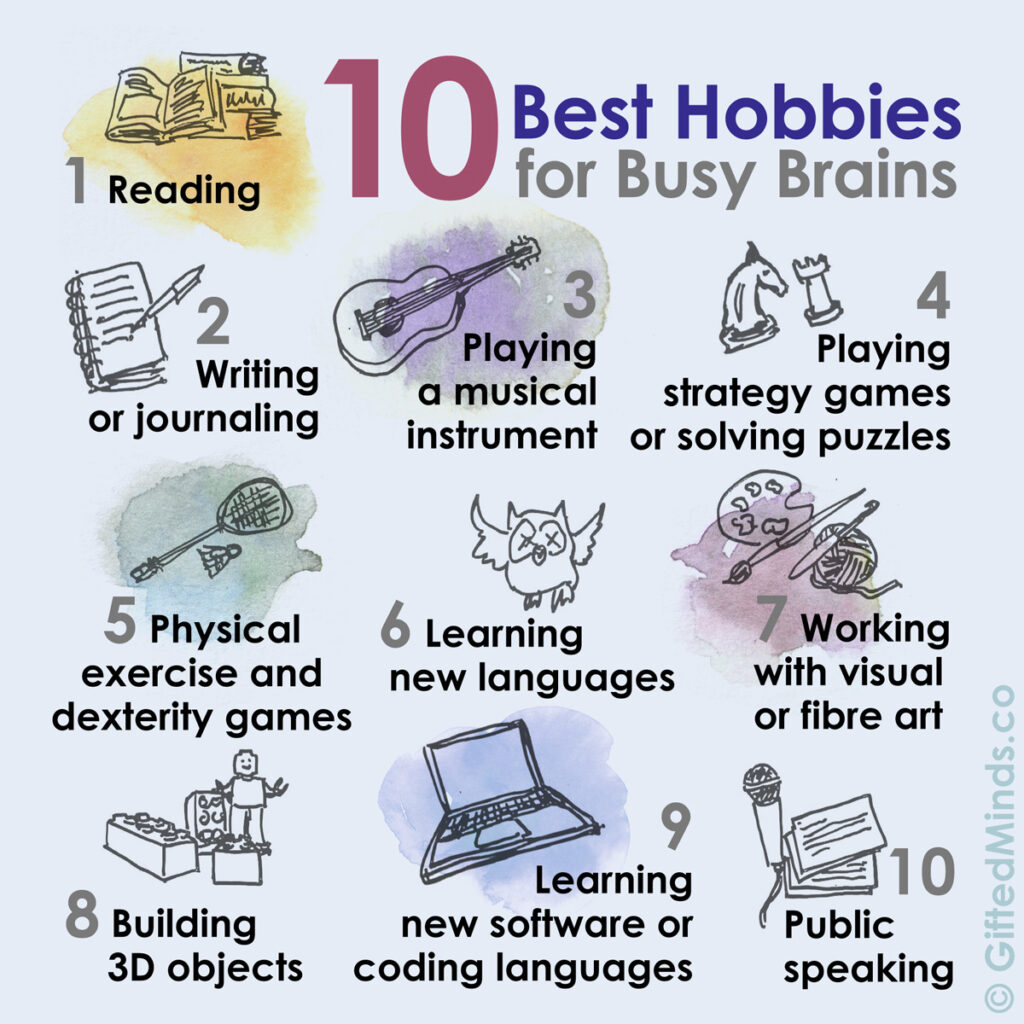
1. Reading for Leisure
Reading might be the ultimate way to boost our cognitive skills, which include comprehension, memory, critical thinking, empathy, and abstract reasoning. Reading widely exposes us to new perspectives, cultures, and ideas–and truly smart people are always learning. Bonus points if you’re challenging yourself with non-fiction and in-depth books; but fiction with complex themes and worldbuilding will also boost imagination, interpretive, and analytical skills.
2. Writing or Journaling
Writing, or more specifically, journaling, has been found to have emotional, mental, and even physical benefits–like improving our immune function! Writing is when we can reflect and process our experiences, engaging our prefrontal cortex even when we may be revisiting emotional events. Because writing requires our PFC, writing helps us calm our our amygdala–the part of the brain that is our nervous system’s emotional “button”. Doing this not only helps us develop our emotional self-regulation, but our self-awareness, interoception, introspection, clarity, and self-expression.
3. Playing a musical instrument
Playing a musical instrument reaps more psychological benefits than simply listening– and experts say this is due to how playing an instrument presents “multiple cognitive demands,” including fine motor skills, auditory perception, timing, and the ability to integrate multiple mental tasks simultaneously. Mastering an instrument also takes discipline and patience, but it ultimately allows us to build creative expression and memory capacity, reduce stress, and delay brain ageing.
4. Playing strategy games and solving puzzles
Brains were built for problem-solving and pattern-recognition, and for some, the right puzzles and strategy games can deliver dopamine (the brain’s feel-good neurotransmitter) like nothing else! Little wonder that educators are also trying to “gamify” learning–it’s the same reason why strategy games like chess have been part of human history for centuries. Playing games and solving puzzles (what I feel resembles the “solo” version of strategy gaming) can strengthen working memory, improve cognitive flexibility, improve focus, critical thinking, and social skills. Depending on the game, the benefits and flavour of fun can vary–and that keeps us stimulated and engaged.
5. Physical exercises and dexterity games
For some of us, physical agility may be just as important as mental agility. And at least one study has found that athletes have not just fit bodies, but better working memories and sharp minds! Staying active has also been found to improve academic outcomes and several cognitive skills. Some of us may combine our physical exercise with games that rely quick reflexes like badminton or (the new favorite) pickleball.
6. Learning new languages
Learning a new language isn’t just acquiring new information–it rewires your brain infrastructure. Bilingual (or trilingual) brains have been compared to monolingual brains and been found to have better attention and focus, and fasting task-switching and adaptibility. That’s not all; bilingual people have been found to have better memory and inhibitory control, as well as problem-solving and decision-making skills. It’s never too late to start: Learning new languages seems to improve our executive functioning, delaying brain ageing, and increase our cross-cultural understanding and empathy.
7. Working with visual or fibre art
Looking at art has been found to enhance neuropsychological capabilities and mental health, so imagine what making art will do for the brain. Engaging with art reduces stress and boosts empathy, working memory, and analytical and communication skills. Painting and drawing styles and preferred subjects are as individual as the artists themselves–there’s no right or wrong way to go about it.
The fibre arts refer to embroidery, needlework, sewing, spinning, dyeing, crochet, weaving, knitting–these visual and tactile activities may really appeal to those who enjoy details and working with their fine motor skills. Working with fibre stimulates brain regions associated with problem-solving, sensory integration, and adaptability, combining sensory grounding, physical dexterity, and cognitive stimulation. Joining collaborative spaces such as community classes or craft circles will also foster a sense of belonging and communication skills.
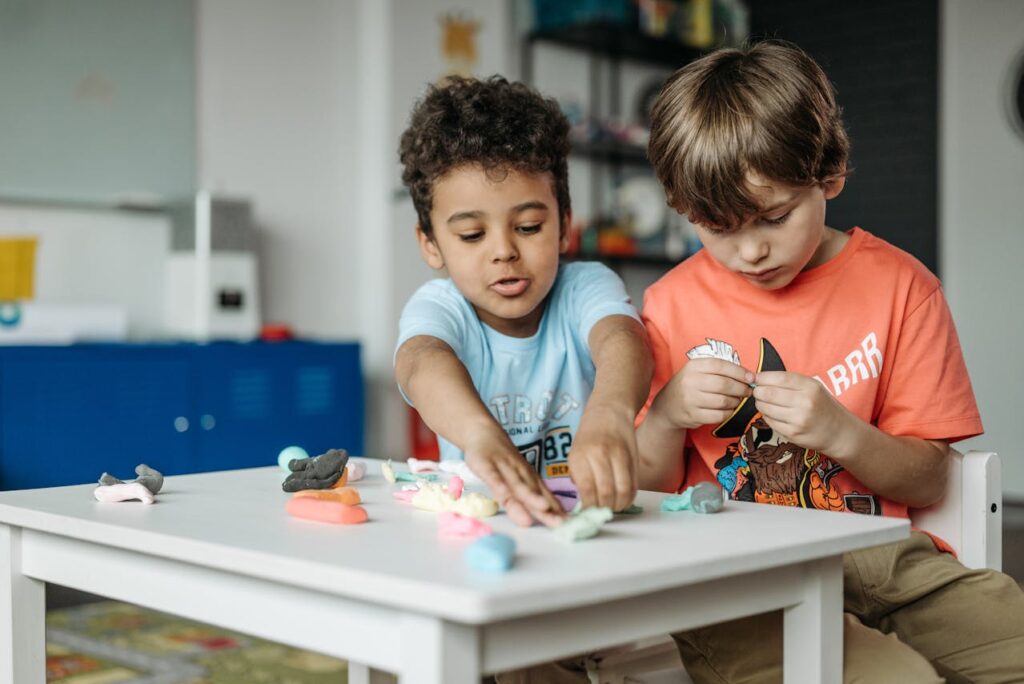
8. Working with 3D artforms
Whether it’s Lego or clay, creating 3-dimensional works of art has the same brain benefits as creating visual art, though perhaps with added emphasis on spatial awareness and planning. For children, Lego remains almost unbeatable for developing their focus, fine motor control, and early math skills. And it doesn’t mean that adults can’t enjoy this activity! Actor Orlando Bloom revealed during the Covid-19 epidemic that he has an entire Lego room in his house.
9. Learning new software or programming languages
Researchers have now watched the brains of coding students “light up” in real time using functional magnetic resonance imaging, or fMRI. Learning a programming language exercises the same logical skills that are used in puzzle-solving and debates. It boosts learning, memory, and the perception of detail, as well as creativity. (This piece goes into more detail of how learning a new programming language tickles the brain!)
10. Public speaking
This one may not feel like a hobby, especially for those who may have social or performance anxiety, but many popular influencers and speakers do this well (food for thought for those who want to follow this path!). Public speaking and debating take a lot of brain power. These activities utilise and sharpen our memory, focus, critical thinking, multi-tasking, and problem-solving skills.
The right hobby or hobbies will help reduce our stress and add to our enjoyment of life–and trying out different new activities may be as fun as relying on the old favorites. For those brains that crave more novelty and stimulation, hobbies that are more active, creative, and challenging may just be the right thing.
So, which of the above do you already do? And what are you going to try next?